Technology
TikTok CEO Chew Shou Zi Urges Deeper Study of AI Cyber Risks at Singapore Forum
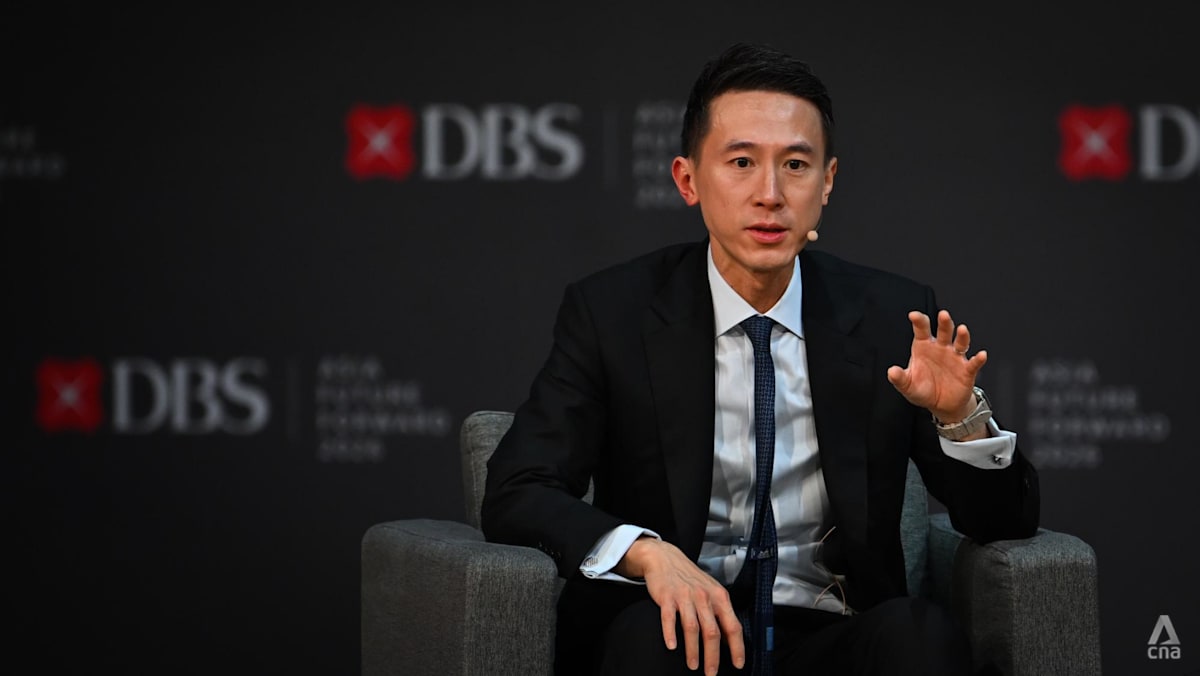
TikTok chief executive Chew Shou Zi said on Monday that society needs a clearer grasp of how to handle the dangers posed by artificial intelligence, and that a great deal of teaching and learning will be required on the subject.
He made the remarks during a dialogue at the DBS Asia Future Forward conference in Singapore, according to CNA, which reported that he was responding to a question about which parts of AI are getting too little attention.
## Why it matters
Chew's comments place one of the world's most-used platforms at the centre of a debate that regulators, companies and ordinary users are all still working through: how much control to hand to software that can act on its own.
TikTok, the short-form video app, reported roughly 2.21 billion users worldwide as of April, according to the digital research platform DataReportal, a figure cited by CNA. At that scale, decisions about how AI is deployed and defended carry consequences well beyond a single company.
The discussion also touched on how quickly AI is advancing. Chew said there is a "non-zero chance" that AI will surpass humans in certain areas, describing a possible world in which silicon outperforms carbon, CNA reported.
## Permissions users may not understand
One of Chew's central concerns involves agentic AI — systems built to carry out tasks rather than simply answer questions, unlike large language models such as ChatGPT and Claude.
He said people may hand these agents permission to do things without genuinely understanding what they are authorising. As an example, he pointed to users who let AI agents access their credit cards to make purchases, only to end up buying far more than they intended, according to CNA.
The point speaks to a gap between the convenience AI agents promise and the awareness users bring to them. Granting access is easy; grasping the scope of that access is not.
Chew argued that closing this gap will demand widespread education, CNA reported.
## Spam, cost and the economics of defence
Chew also addressed how agentic models affect businesses, saying they have sharply lowered the cost of producing spam. CNA reported his view that while spam on any platform cannot be driven to zero, companies should aim to make it too expensive for people to generate excessive amounts of it.
That framing turns the problem into an economic one. If creating abuse becomes cheap, defending against it becomes a cost centre that businesses must resource properly. Chew said firms need the right tools to counter the falling price of causing security problems for platforms like TikTok, according to CNA.
## Skills, training and boundaries at work
Looking ahead, Chew said building the skills to use AI well will matter over the next two to three years, and he encouraged people to work with the technology directly rather than only read about it. His reasoning, as reported by CNA: you cannot determine what these models and products can or cannot do unless you use them yourself.
He also raised the workplace dimension. Employees must be trained not to share trade secrets or legally privileged information with public chatbots, he said. CNA reported his observation that the tool is so useful that people can become overeager in how they apply it, making it important to understand where reasonable and acceptable use ends.
The conference remarks were reported alongside coverage from other outlets, including CNBC, The Straits Times, The Business Times and Bloomberg, which framed the discussion around AI's scientific potential, the role of human judgment, and warnings about inflated expectations.
What to watch next: whether platforms, employers and regulators translate these concerns into concrete rules on AI agent permissions and workplace chatbot use.
93 views◆ 2 CYBEV earned